Rothko in Florence
Rothko in Florence
from 14 March 2026
to 23 August 2026
- Piano nobile
- Daily 10.00-20.00Thursdays until 23.00
- Ticket required
- Amici di Palazzo Strozzi: free
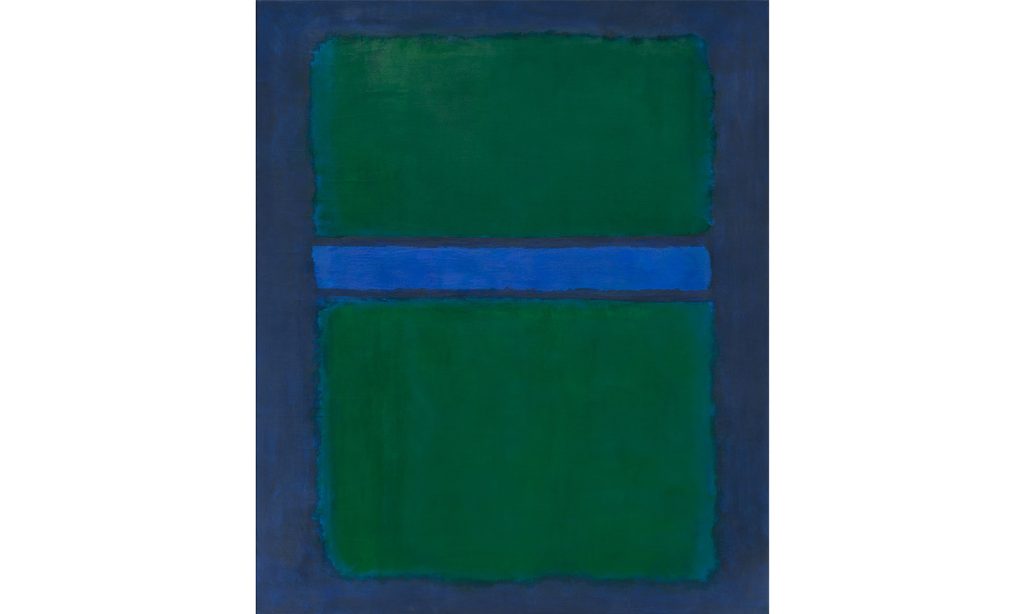
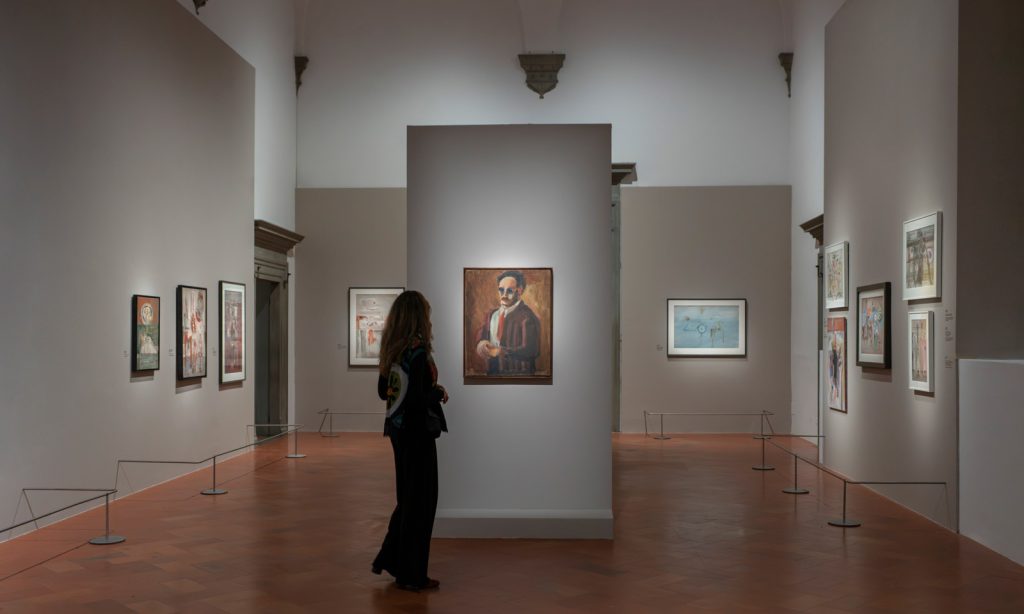
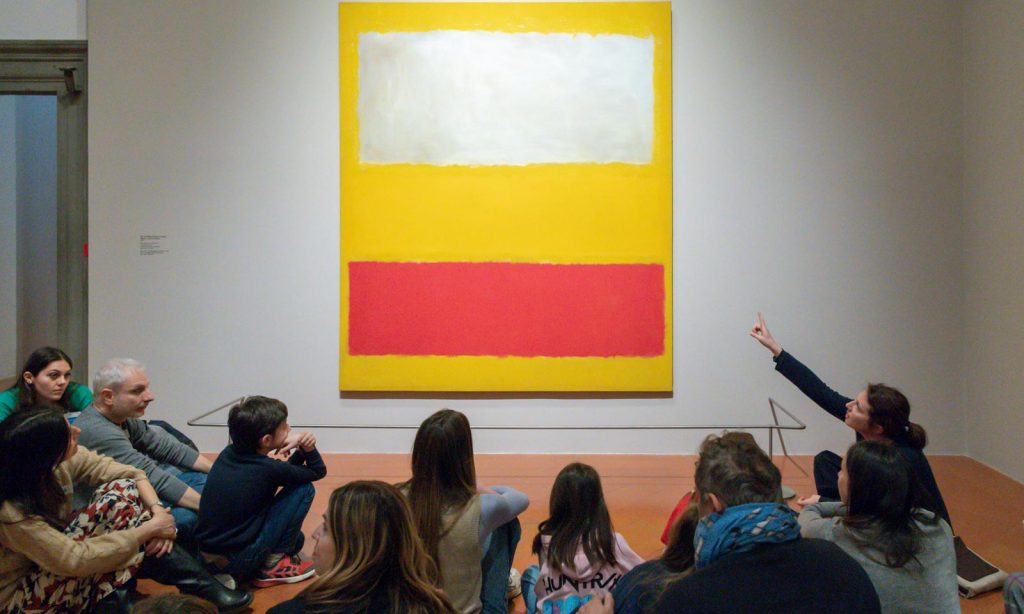
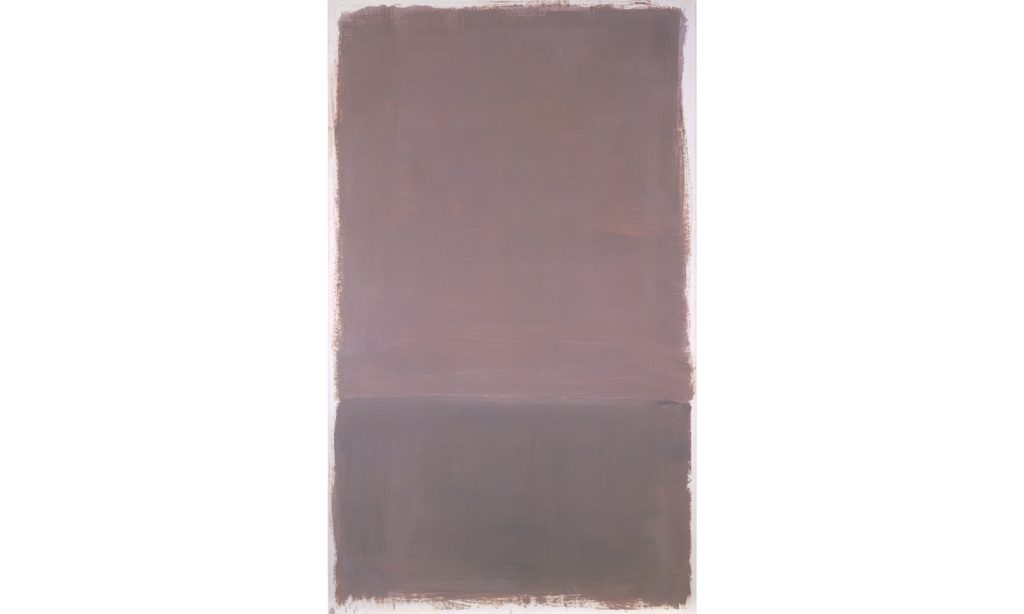
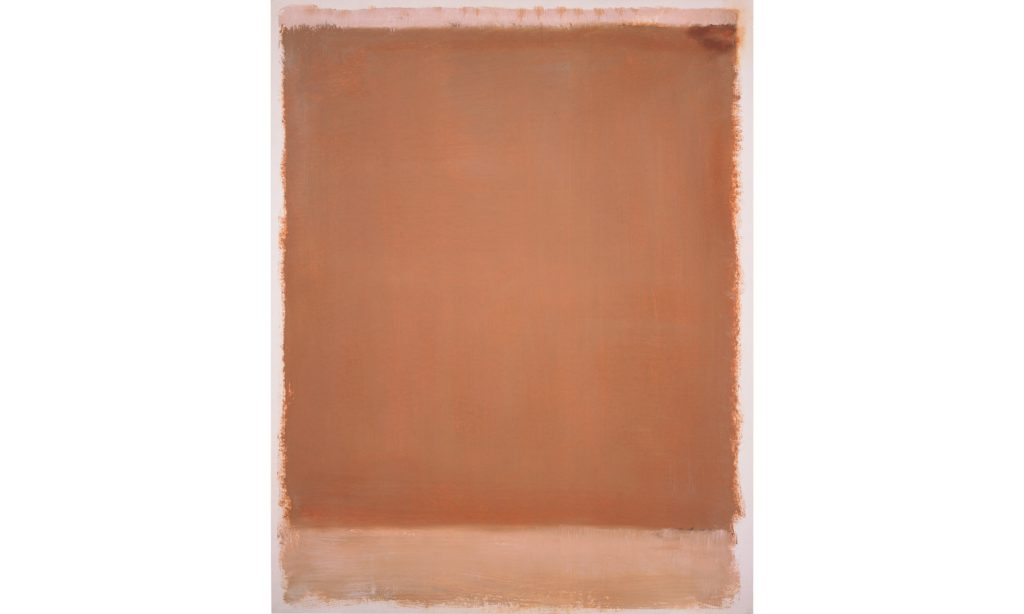
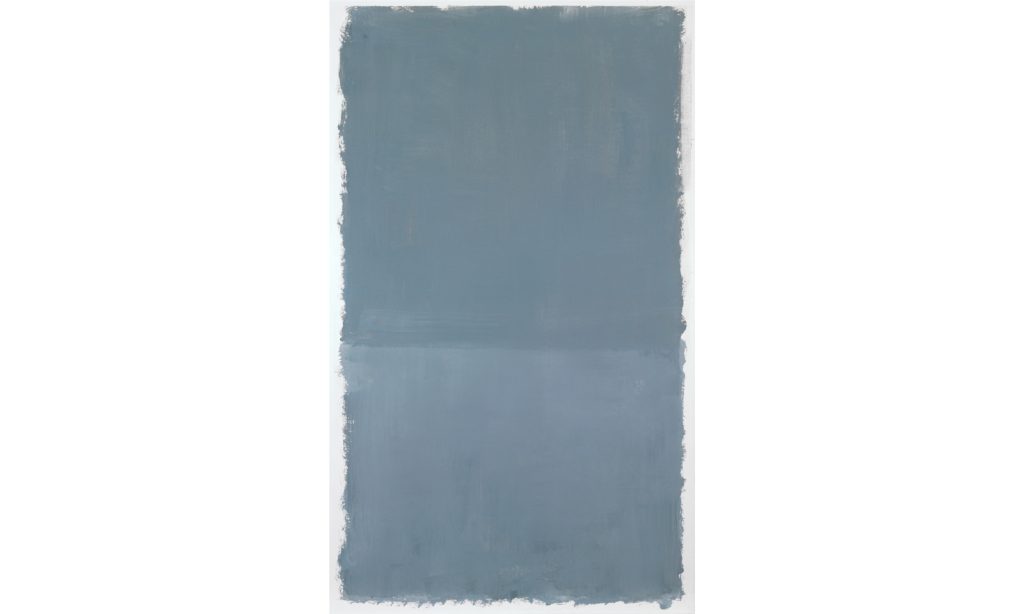
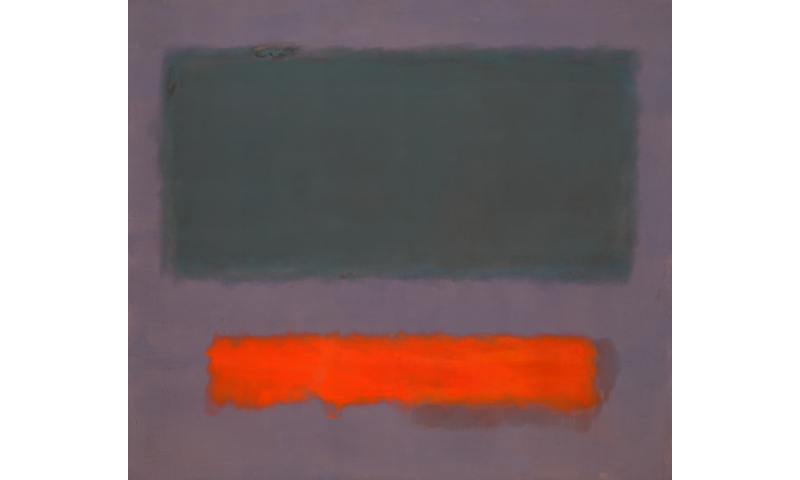
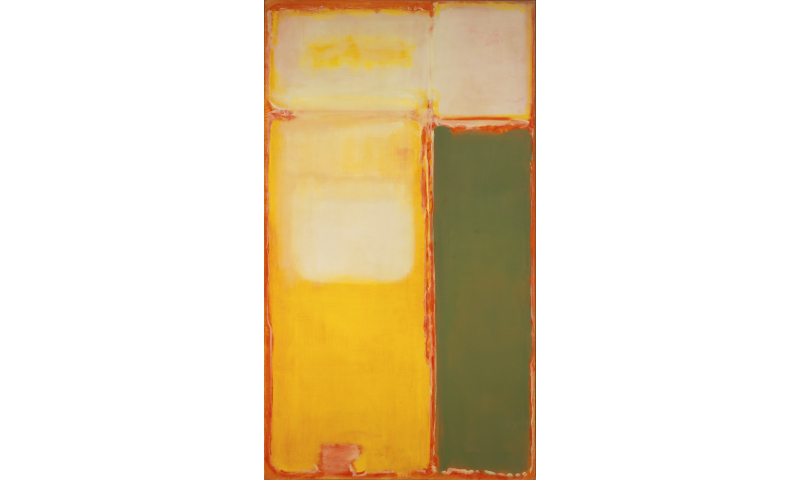
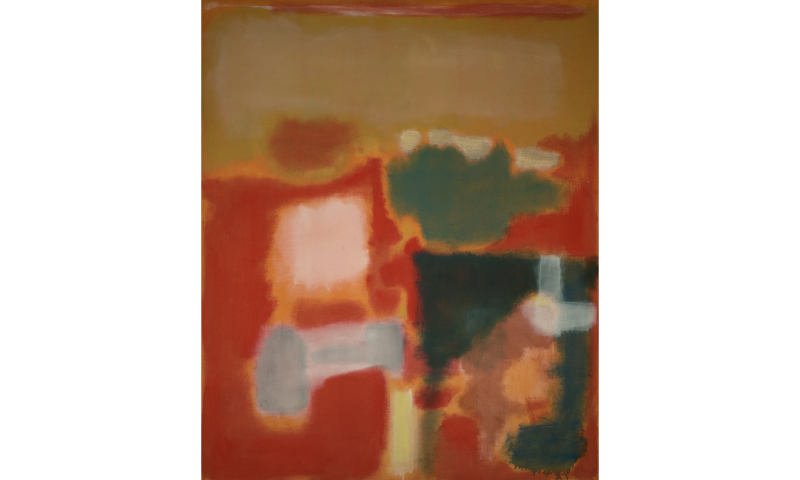
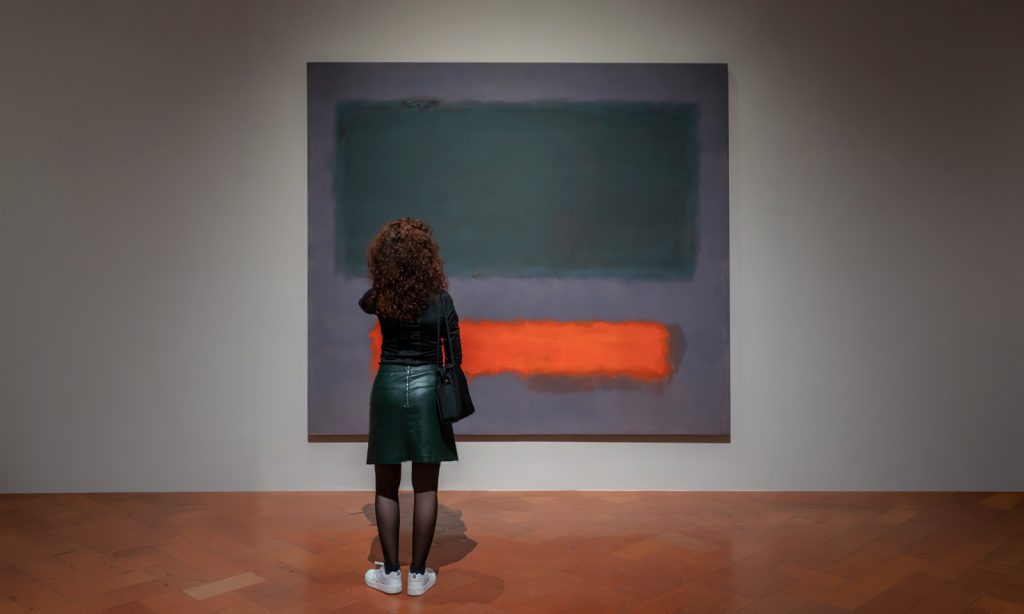
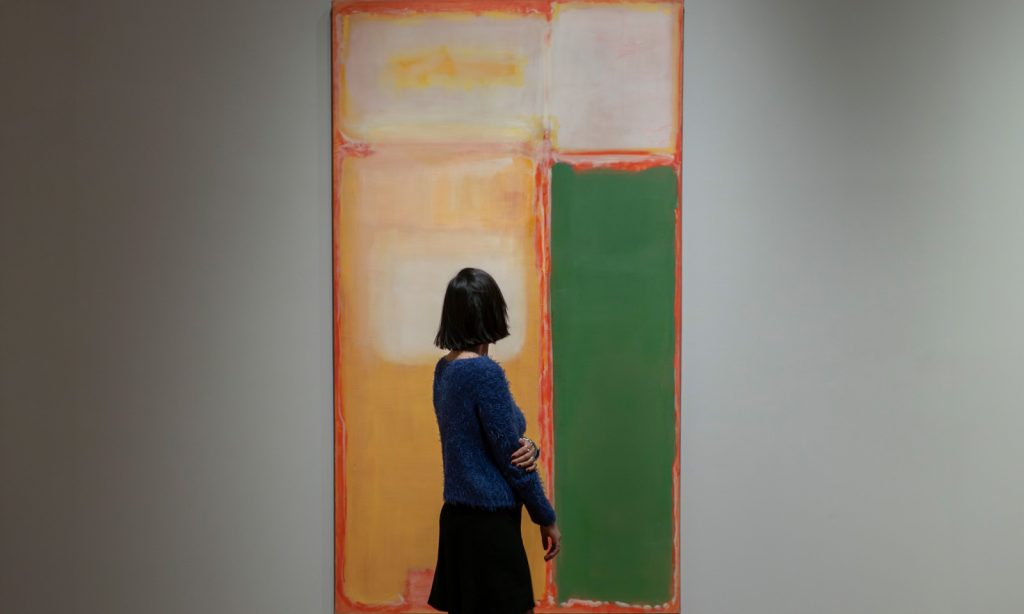
From March 14 to August 23, 2026, Fondazione Palazzo Strozzi presents one of the most important exhibitions ever dedicated to Mark Rothko (1903-1970), the undisputed master of American modern art. Curated by Christopher Rothko and Elena Geuna, Rothko in Florence is a unique project conceived specifically for Palazzo Strozzi to celebrate the artist’s special bond with Florence. The palace’s architecture and the city itself provide the ideal backdrop to explore how Rothko translated the tension between classical measure and expressive freedom into painting, creating through color a new perception of space that transcends the two-dimensionality of the canvas.
The exhibition at Palazzo Strozzi traces Rothko’s entire career with over 70 works from prestigious private collections and leading international museums, including New York’s Museum of Modern Art (MoMA) and Metropolitan Museum of Art, London’s Tate, Paris’s Centre national d’art et de culture Georges-Pompidou, and Washington’s National Gallery of Art.
From Palazzo Strozzi, the project extends into the city of Florence, through two special satellite interventions at locations particularly significant to the artist: the Museo di San Marco, where a selection of works will be presented in dialogue with the frescoes of Fra Angelico, and the Vestibule of the Biblioteca Medicea Laurenziana designed by Michelangelo.
Photo gallery
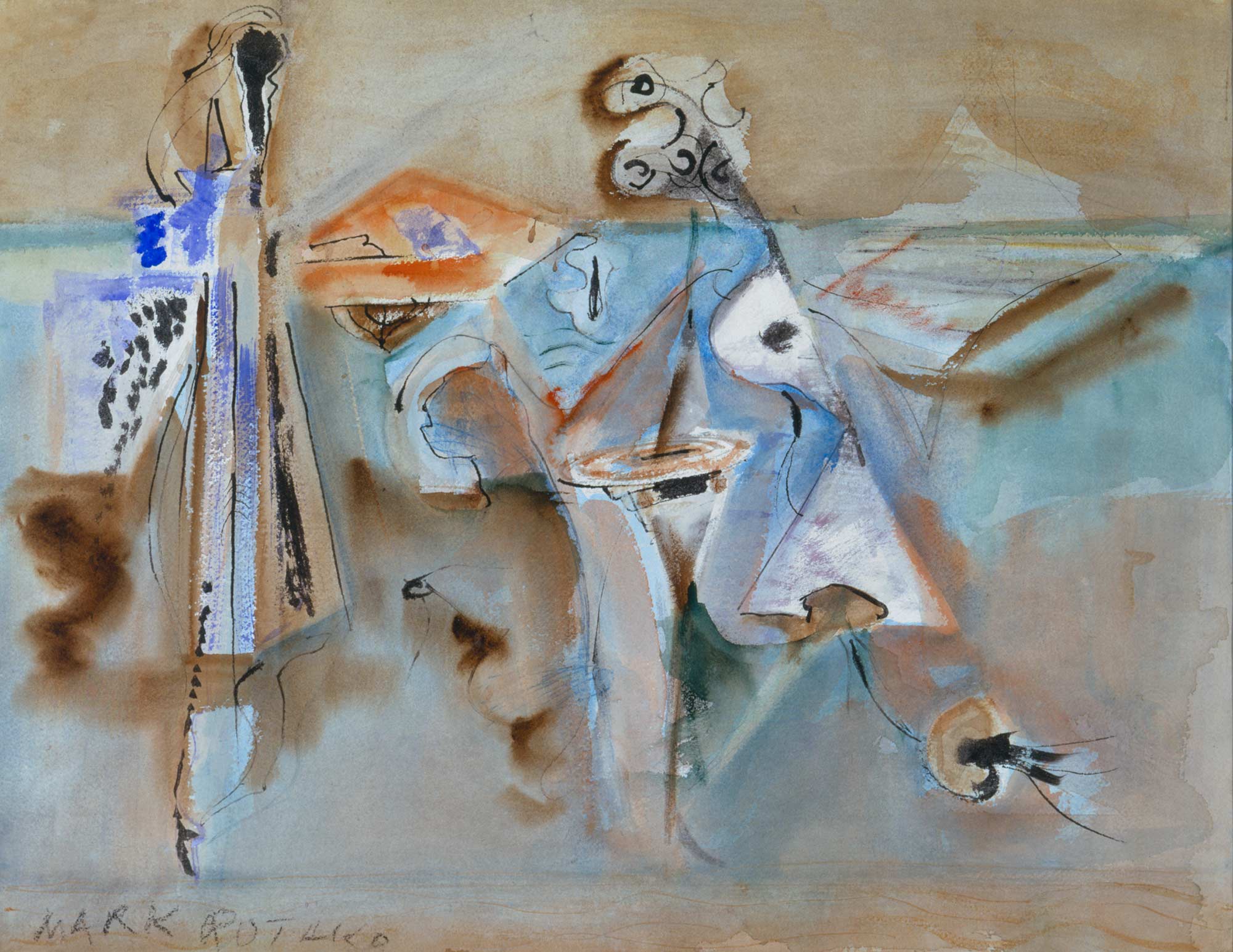
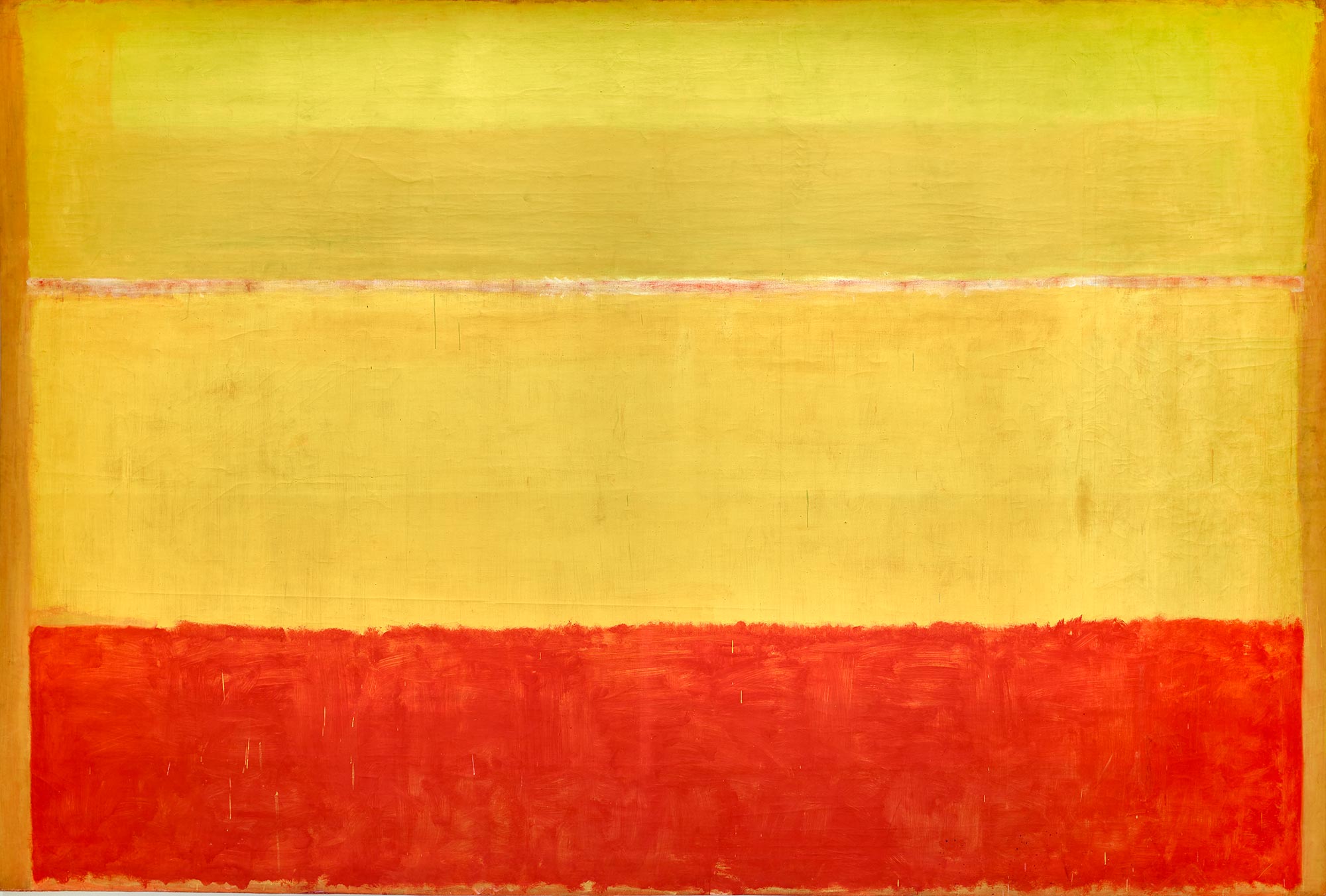
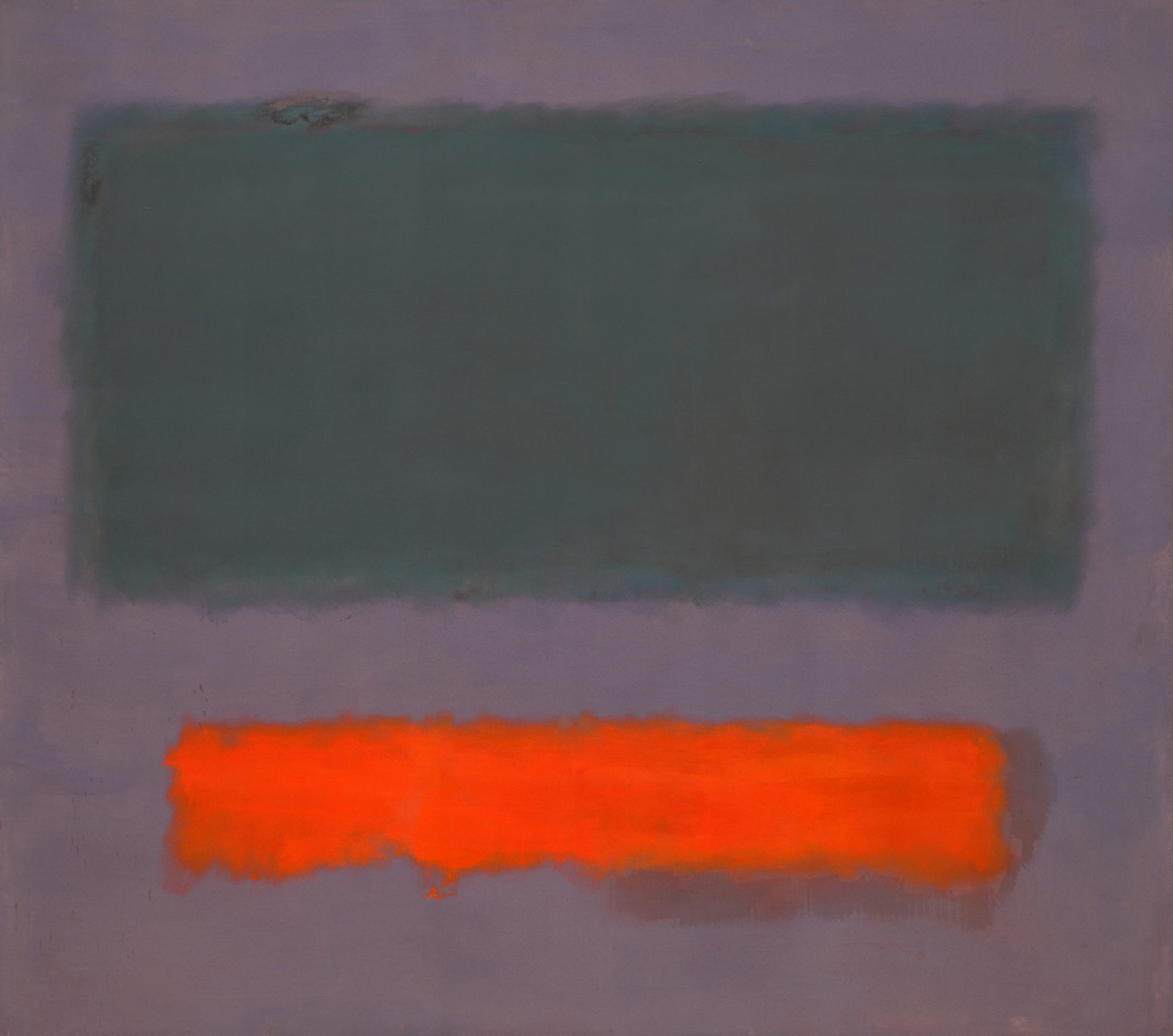
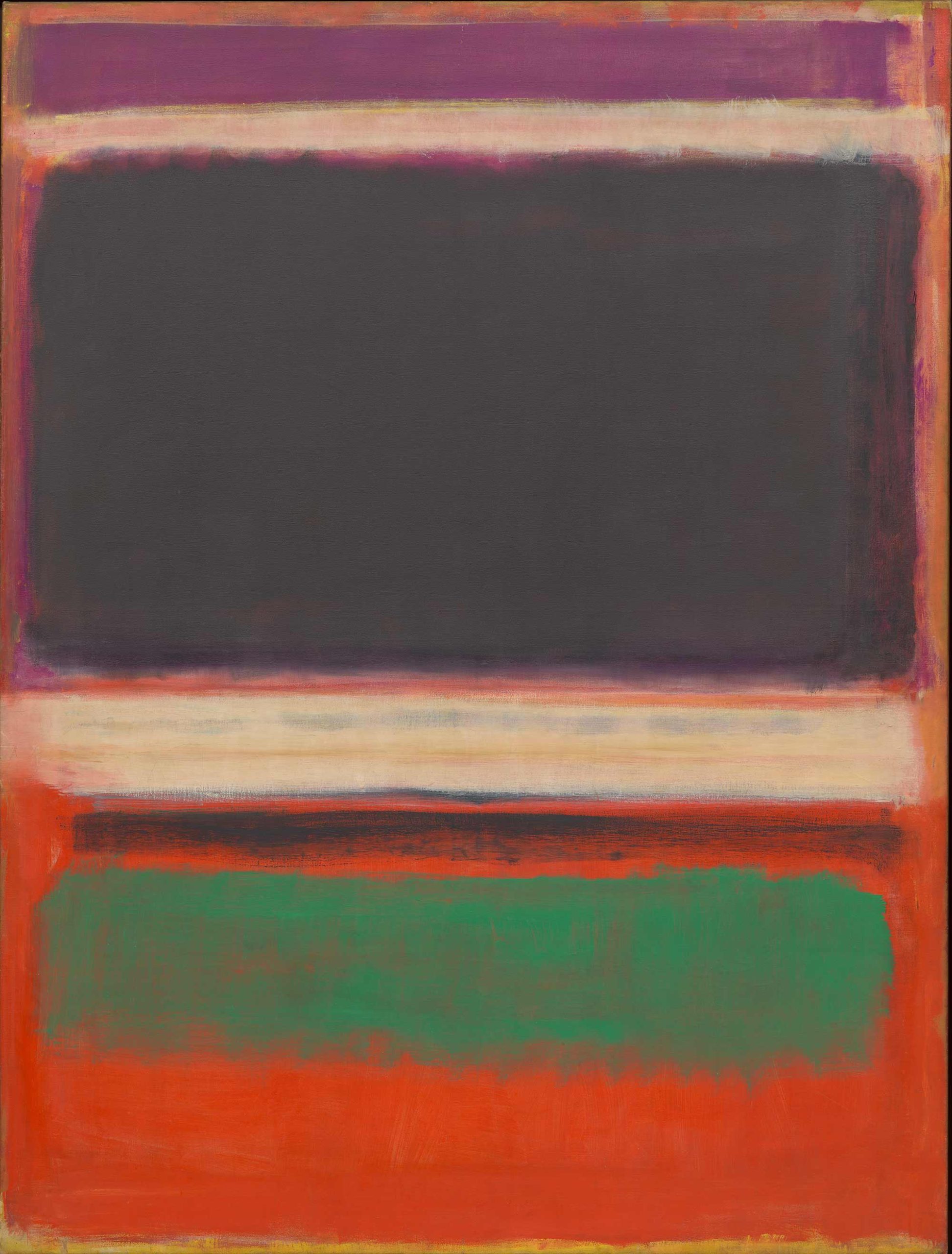
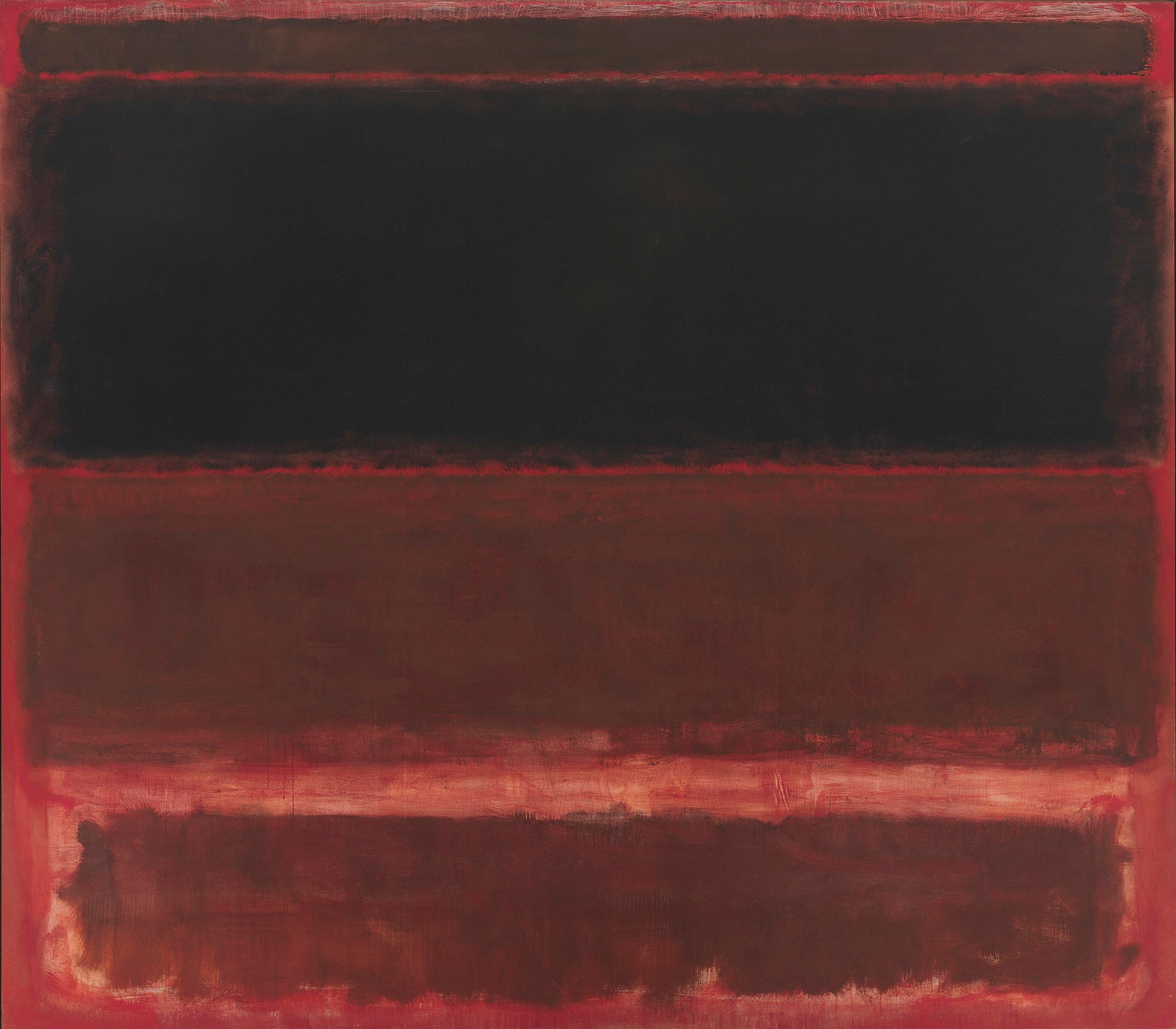
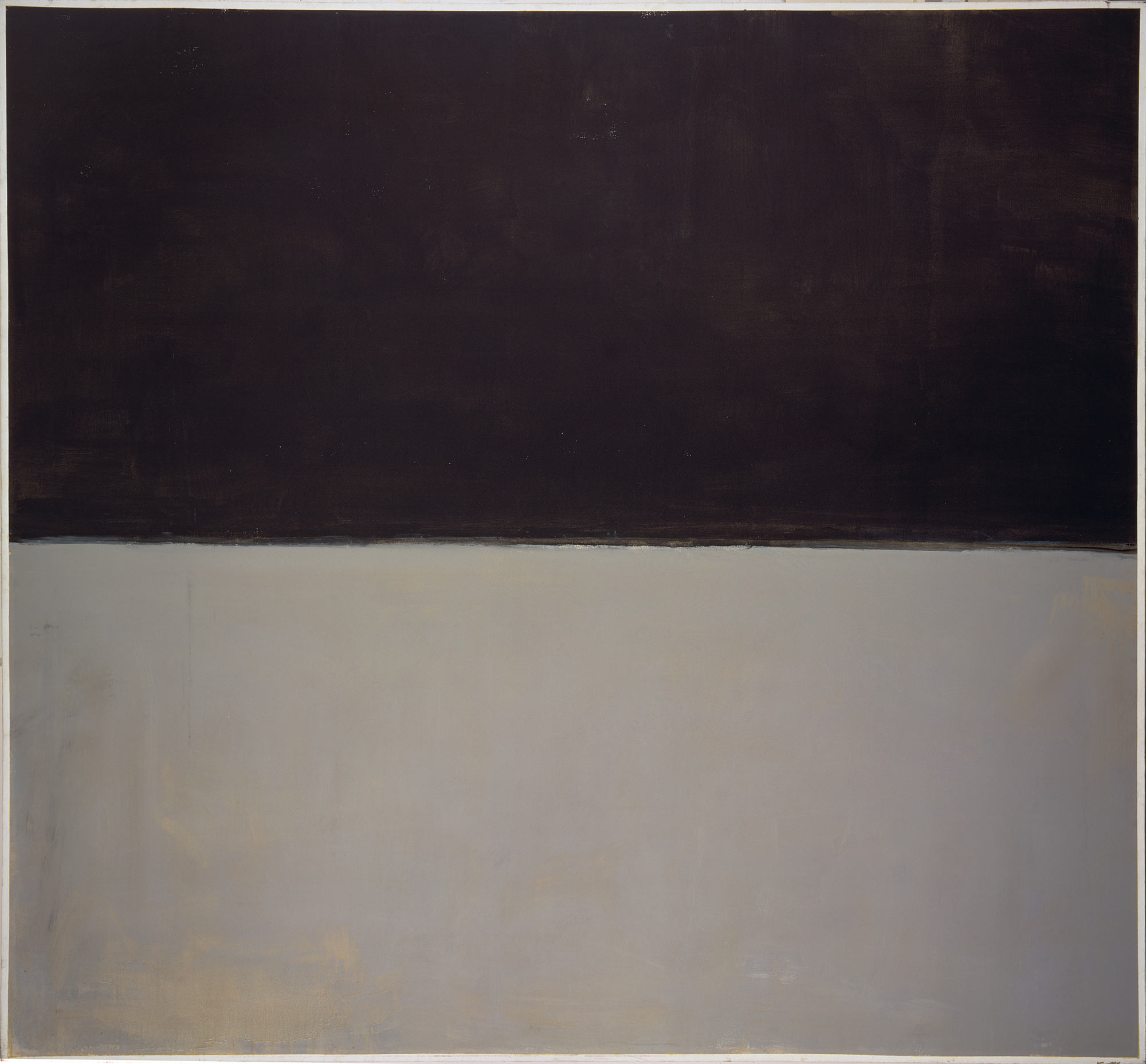
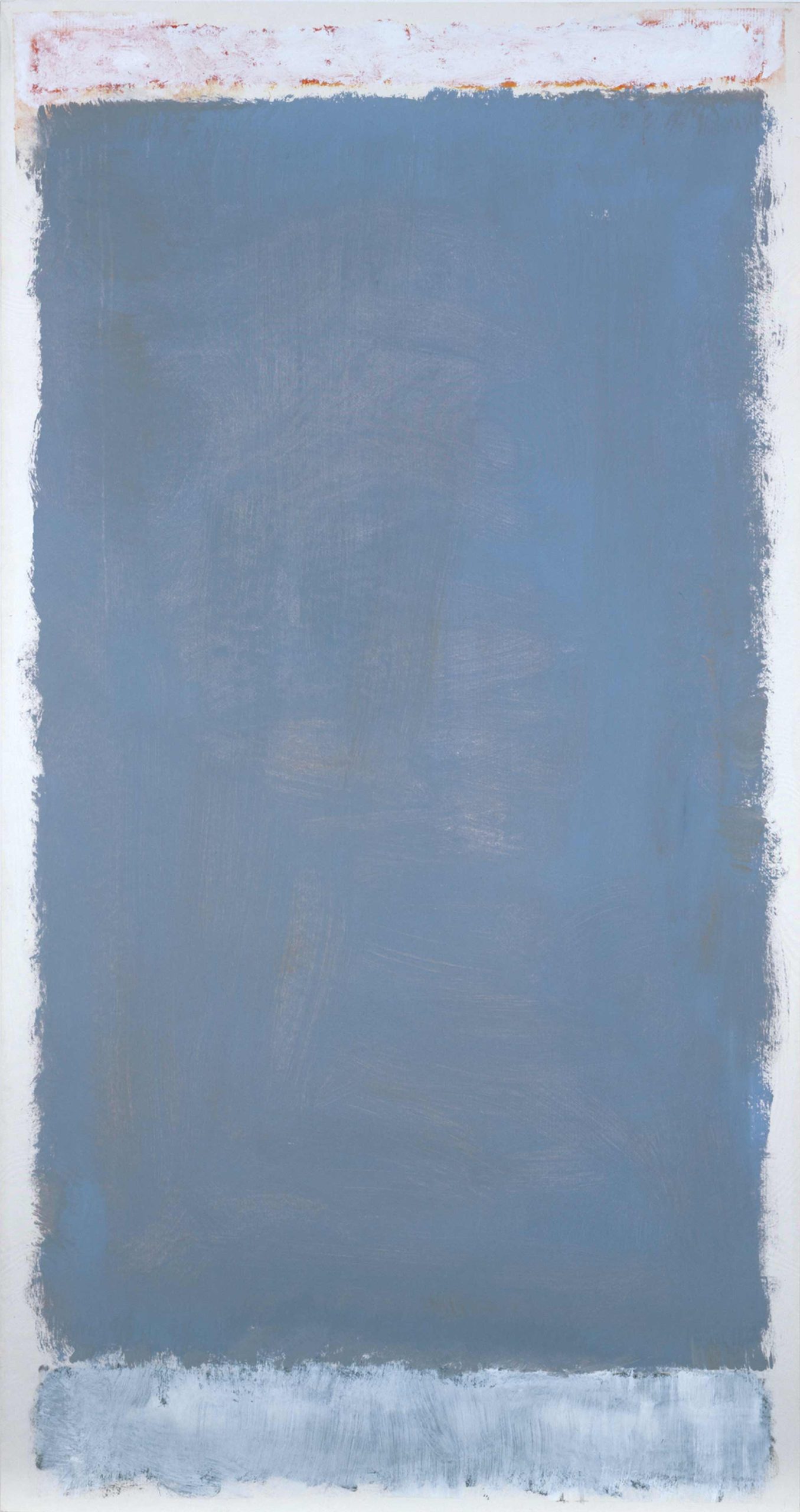
Special sections
Museo di San Marco and Biblioteca Medicea Laurenziana
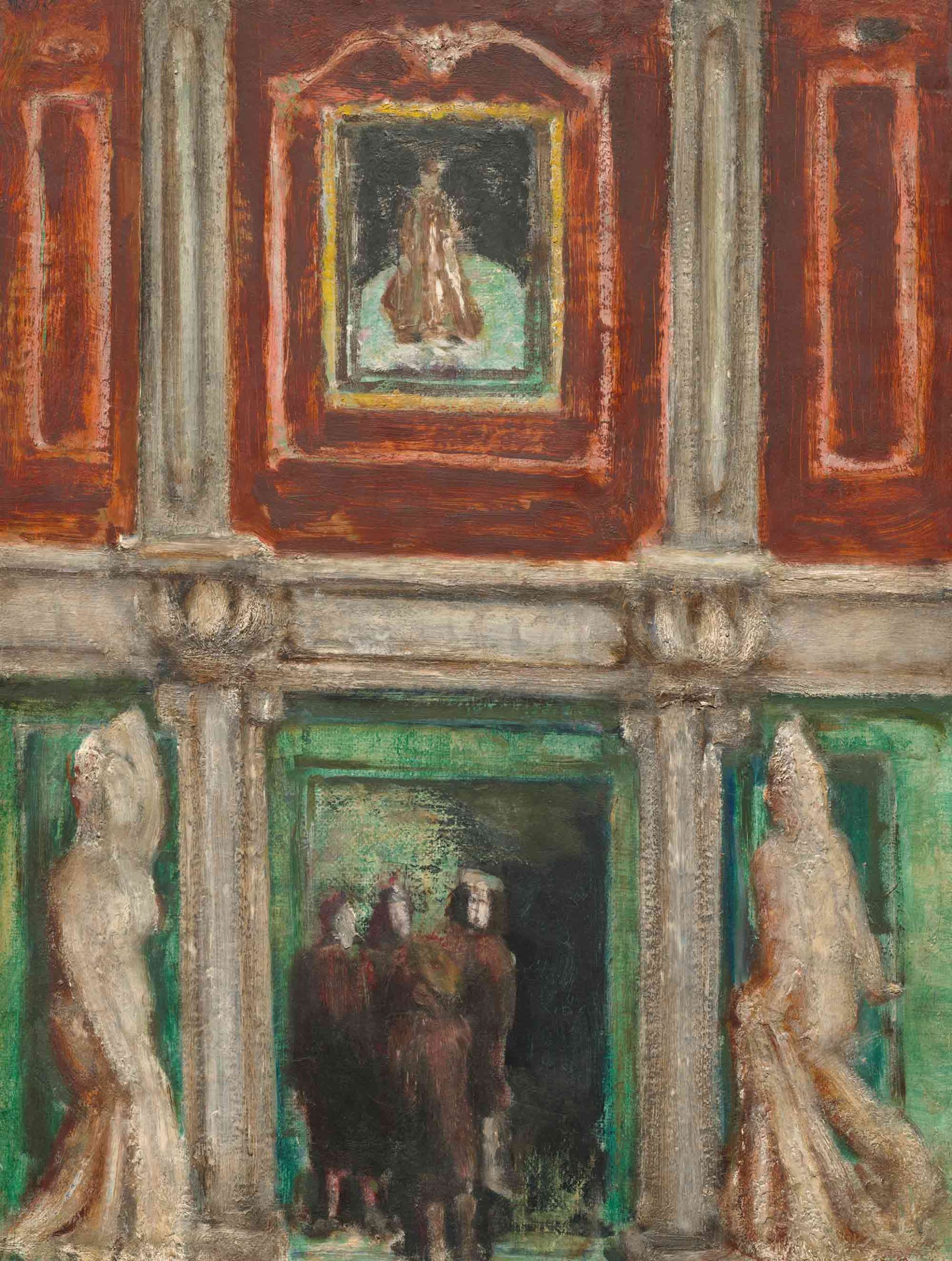
From Palazzo Strozzi, the project extends into the city of Florence, through special satellite interventions at two institutions of the Ministry of Culture, particularly significant to the artist: the Museo di San Marco, where a selection of five works will be presented in the cells with the frescoes of Fra Angelico, and the of the Biblioteca Medicea Laurenziana, with two works in dialogue with Vestibule designed by Michelangelo.
Rothko’s first encounter with Florence dates to 1950, during a trip to Italy with his wife Mell. He was deeply moved by Fra Angelico’s frescoes at the Convent of San Marco and by Michelangelo’s architectural vision in the Vestibule of the Biblioteca Medicea Laurenziana, which would inspire the Seagram Murals painted in the late 1950s—a dialogue that Rothko further developed during his second visit to Florence in 1966. In some of his more delicate works, one can also perceive the influence of fifteenth-century Italian art and, in particular, of Angelico’s fresco technique. Rothko and Angelico shared a desire to evoke a sense of transcendence, a dimension at once distant and profoundly familiar. While Angelico achieved this through the emotional resonance of divine figures in dialogue with earthly reality, Rothko created color fields capable of accompanying viewers into different emotional depths, challenging accepted notions of abstraction and color theory.
Museo di San Marco
From Tuesday to Sunday, from 8.30 to 13.50 (last entrance at 12.45)
Closed on Mondays and the fifth Sunday of the month
Biblioteca Medicea Laurenziana
From Monday to Friday, from 10.00 to 13.30 (last entrance at 13.00)
Closed on Saturdays, Sundays and holidays
Mark Rothko
Dvinsk, 1903 – New York, 1970
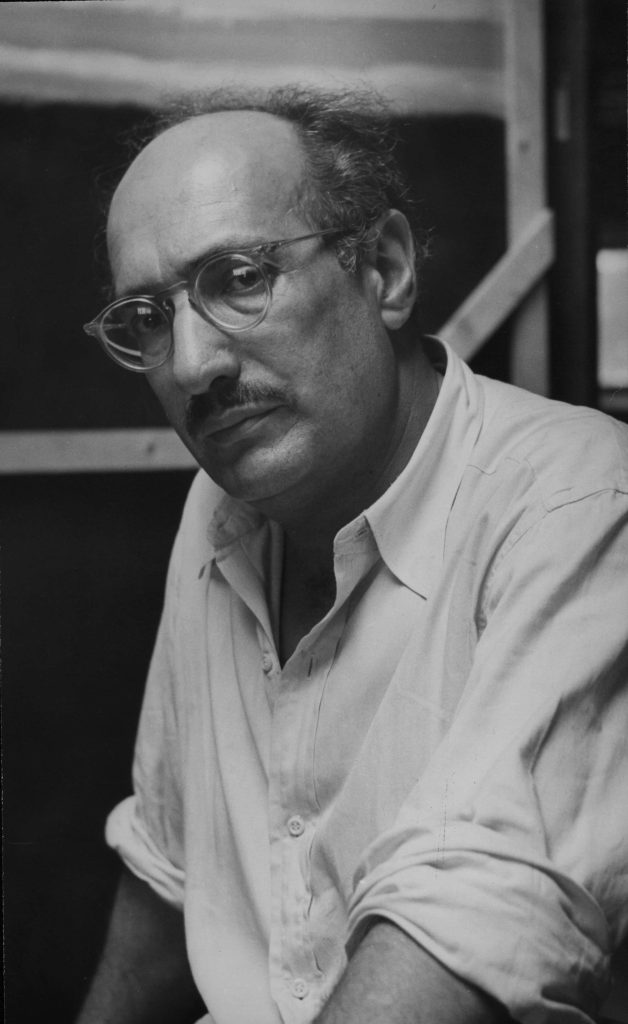
Mark Rothko (Markus Rothkowitz) was born in Dvinsk, Russia, in 1903. At the age of ten, he emigrated with his mother and sister to the United States, joining his father and brothers in Portland. From 1921 to 1923 he attended Yale University before moving to New York. In 1929 he began teaching at the Center Academy of the Brooklyn Jewish Center, a position he held for the next twenty years. In 1935 he founded the group The Ten, exhibiting with them until 1940. Between 1936 and 1937 he worked for the Easel Division of the W.P.A. Federal Art Project, painting works for government buildings. In 1940 he co-founded the Federation of Modern Painters and Sculptors.
His paintings and watercolours from the late 1930s to 1946 reveal his interest in Greek mythology, primitive art, and psychoanalysis. Influenced by the Surrealists, Rothko experimented with automatic drawing, creating abstract forms alluding to human and animal life. In 1945, Surrealist-inspired works were shown in his solo exhibition at Peggy Guggenheim’s Art of This Century gallery in New York. He also exhibited several times at the annual exhibition of the Whitney Museum of American Art.
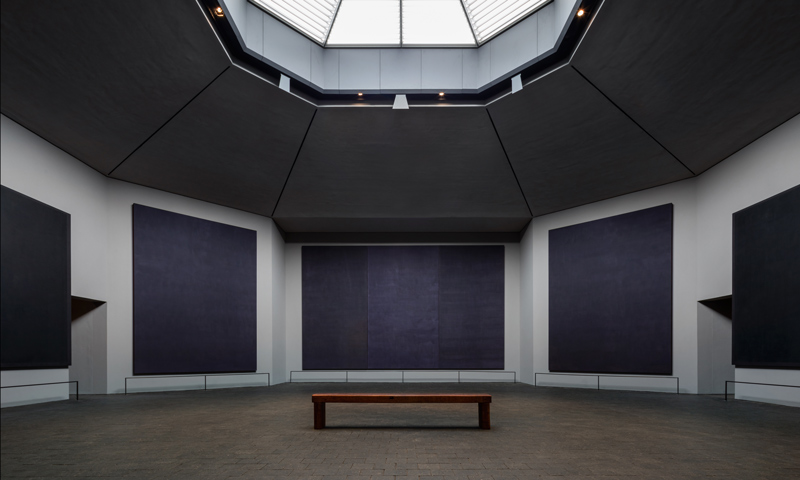
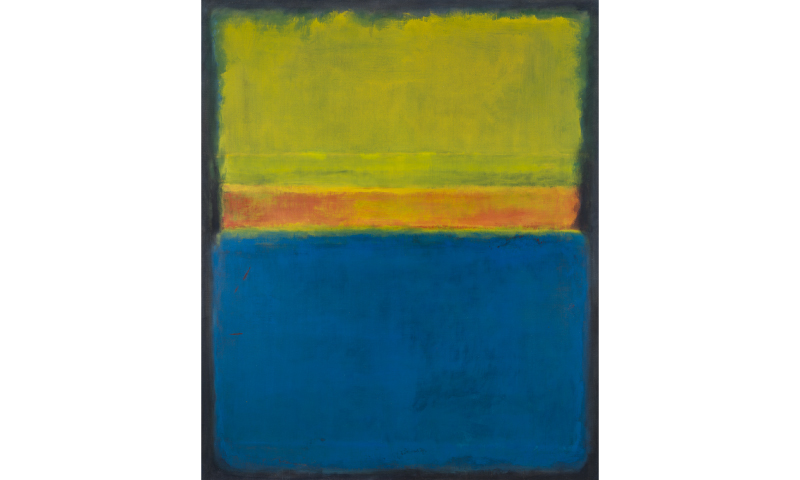
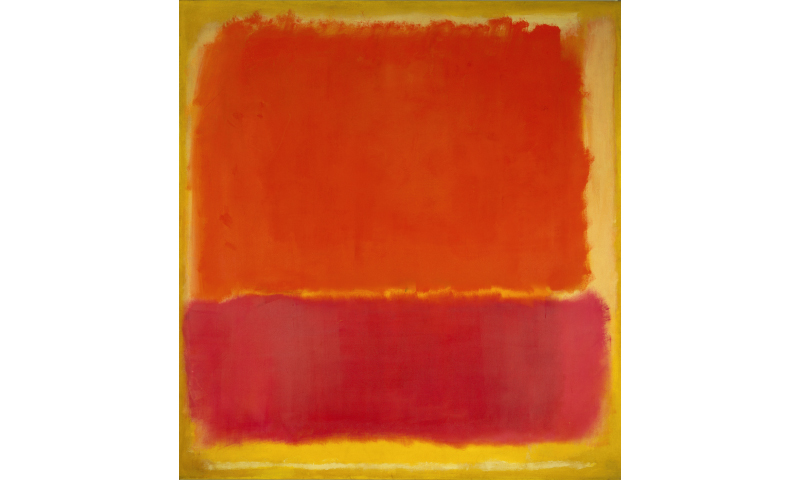
Towards the end of the 1940s, Rothko’s work underwent a decisive shift: he abandoned figuration, including its Surrealist variations, to concentrate on abstract compositions that became his distinctive hallmark. His large-scale canvases were built from floating, layered expanses of colour. In 1954 he held a major solo exhibition at the Art Institute of Chicago, and in 1958 he exhibited at the Venice Biennale. That same year he accepted the celebrated commission for a cycle of paintings for the Four Seasons restaurant in New York’s Seagram Building. Later, Rothko withdrew from the commissioon and these works were donated to Tate in London, with the agreement that they be displayed together in a dedicated room. Further exhibitions followed at the Musée d’Art Moderne de la Ville de Paris in 1962 and the Guggenheim Museum in New York in 1963.
From 1964 to 1967 Rothko worked on a major cycle commissioned by collectors and patrons Dominique and John de Menil for a Catholic chapel designed by Philip Johnson in Houston. Now an interfaith space. In 1969 the Mark Rothko Foundation was established to provide assistance to artists in need. Mark Rothko committed suicide in his New York studio in 1970.
Rothko in Florence is promoted and organised by Fondazione Palazzo Strozzi, Florence, in collaboration with the Ministero della Cultura: Direzione regionale Musei nazionali Toscana – Museo di San Marco and the Biblioteca Medicea Laurenziana.
Fondazione Palazzo Strozzi Public Supporters: Comune di Firenze, Regione Toscana, Città Metropolitana di Firenze, Camera di Commercio di Firenze.
Fondazione Palazzo Strozzi Private Supporters: Fondazione CR Firenze, Fondazione Hillary Merkus Recordati, Comitato dei Partner di Palazzo Strozzi.
Main Partner: Intesa Sanpaolo
With the support of Kenneth C. Griffin and Griffin Catalyst, Maria Manetti Shrem, Gruppo Beyfin S.p.A., Aon, Arteria.
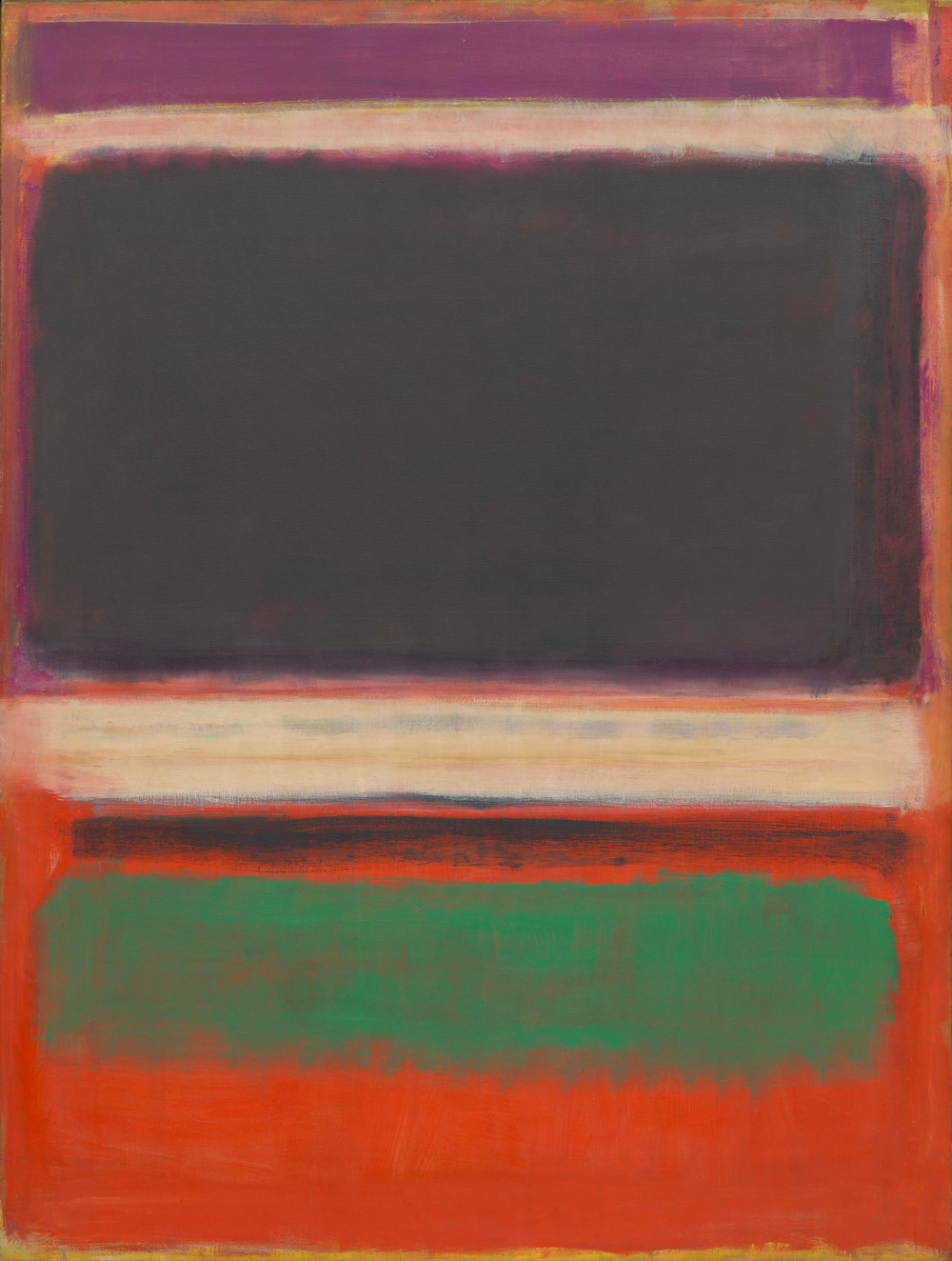
Cover: Mark Rothko, No. 3 / No. 13, 1949, New York, MoMA-The Museum of Modern Art, Bequest of Mrs. Mark Rothko through The Mark Rothko Foundation, Inc. 428.1981, Photo credits: Digital image, The Museum of Modern Art, New York/Scala, Firenze © 1998 by Kate Rothko Prizel and Christopher Rothko / Artists Rights Society (ARS), New York / SIAE, Roma